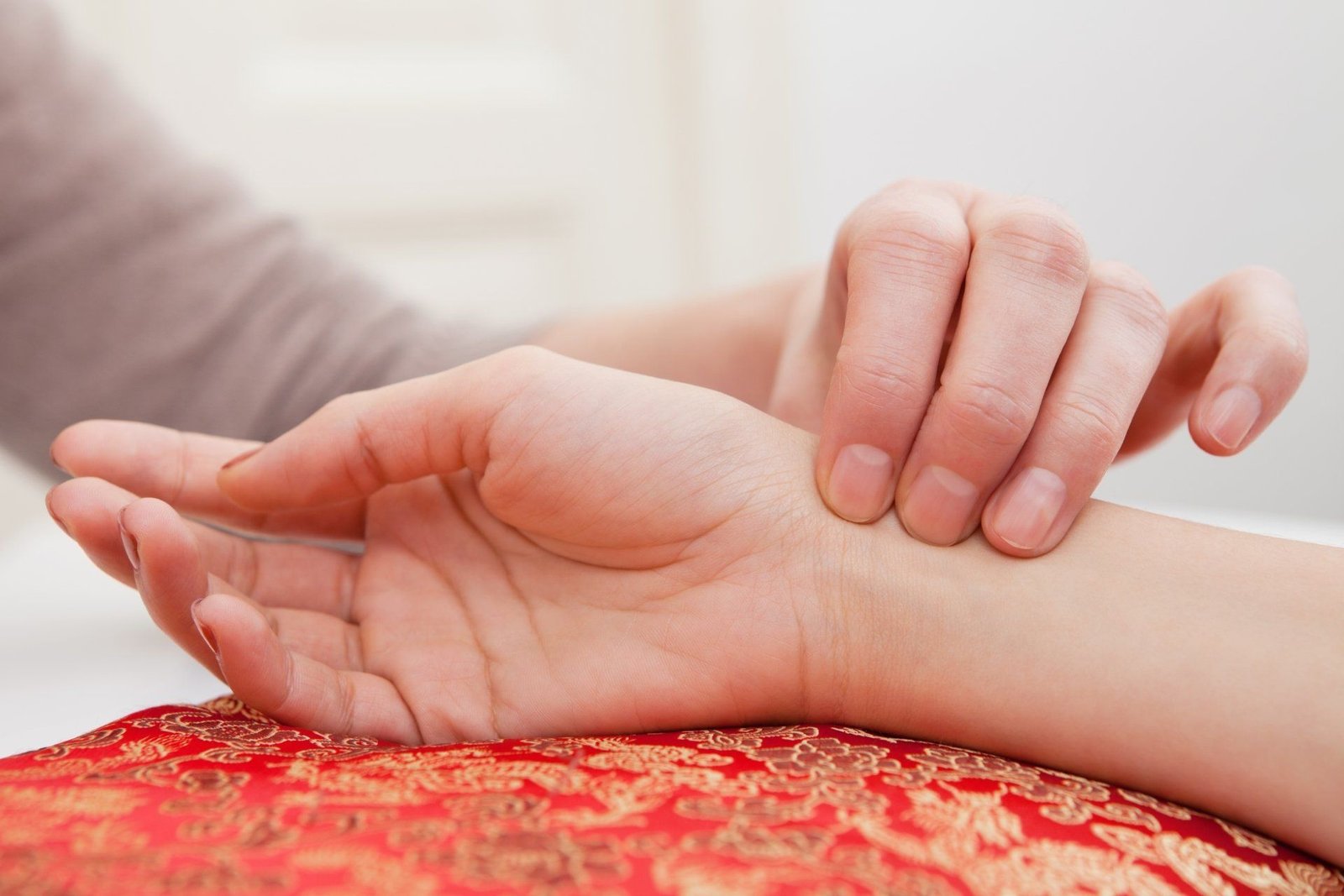
By using a complex diagnostic system, the practitioner determines what aspects of a person’s system has gone out of balance. Acupuncture and/or Chinese Herbal Medicine is then utilized to re-establish harmony within the body. Acupuncture is used to regulate the flow of energy and blood by inserting very fine, sterile needles at specific points. Traditional Chinese medicinal formulas that have been established over many centuries may also be prescribed to address the patient’s specific systemic and energetic imbalances. Other aspects such as diet, lifestyle and mental-emotional states are also considered and addressed when applicable. By treating the root cause of imbalances that create disease rather than just addressing symptoms, a TCM practitioner is able to effect significant improvements and lasting change.
Frequently Asked Questions
What is the fundamental principle behind how Chinese Medicine works?
Chinese Medicine operates on the principle that pain and illness arise from an imbalance or blockage in the body’s natural energy flow, known as Qi.
How does Chinese Medicine specifically address these imbalances?
It uses various techniques like acupuncture, herbs, and other modalities to restore the free flow of Qi, balance the body’s internal systems, and stimulate its innate healing capabilities.
Does Chinese Medicine only focus on physical symptoms?
No, it takes a holistic approach, considering factors such as diet, lifestyle, stress, and emotions to understand and treat the patient’s overall well-being, rather than just isolated symptoms.
What is the goal of a TCM practitioner when treating a patient?
A TCM practitioner aims to identify the underlying causes of disease and create a significant, lasting change in health, moving beyond mere symptom relief.